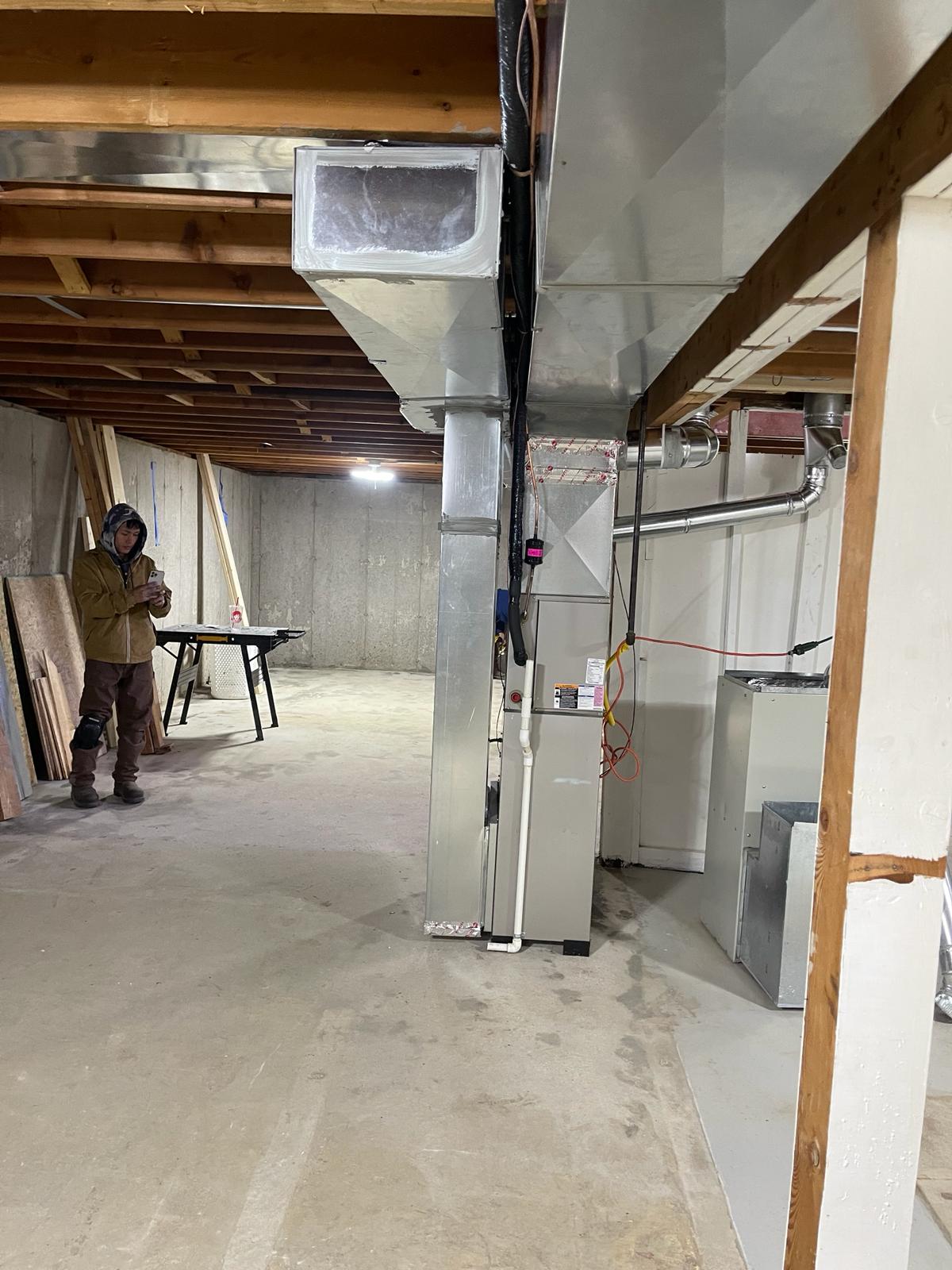
The Importance of Ventilation in HVAC Systems
In modern buildings, HVAC (Heating, Ventilation, and Air Conditioning) systems are essential for maintaining comfortable indoor environments. Among these components, ventilation plays a critical role not only in regulating temperature but also in ensuring good indoor air quality. This blog post will delve into the significance of ventilation in HVAC systems, the impact on indoor air quality, and practical tips for optimizing your HVAC ventilation.
Understanding HVAC Ventilation
Ventilation refers to the process of exchanging or replacing air in any space to provide high indoor air quality. This involves removing excess moisture, odors, smoke, heat, dust, and airborne bacteria, ensuring a healthy environment. Proper ventilation is crucial for: - Maintaining air quality - Regulating temperature - Controlling humidity levels - Reducing indoor air pollutants
The Role of Ventilation in Indoor Air Quality
Indoor air quality (IAQ) is influenced by various factors, including the presence of pollutants, moisture levels, and temperature. Ventilation helps to mitigate these factors by: - Diluting indoor air pollutants with fresh outdoor air. - Expelling stale air filled with allergens, chemicals, and other contaminants. - Regulating humidity, which can prevent mold growth and other health issues.
Common Indoor Air Pollutants
- Volatile Organic Compounds (VOCs)
- Dust and allergens
- Carbon monoxide
- Mold spores
- Pesticides
Types of HVAC Ventilation
There are three main types of ventilation systems used in HVAC setups: - **Natural Ventilation**: Relies on natural forces like wind and temperature variations to circulate air. This method is cost-effective but may not always provide adequate air exchange. - **Mechanical Ventilation**: Uses fans and duct systems to introduce outdoor air into a building. It allows for controlled and consistent air exchange but requires energy. - **Hybrid Ventilation**: Combines both natural and mechanical systems, allowing for flexibility based on weather conditions and occupancy.
Choosing the Right Ventilation Type
Selecting the appropriate ventilation system depends on several factors: - Size and layout of the building - Local climate conditions - Building usage and occupancy - Energy efficiency goals
Tips for Optimizing HVAC Ventilation
To ensure effective ventilation in your HVAC system, consider the following tips: - **Regular Maintenance**: Schedule routine checks for your HVAC system to ensure it functions efficiently. - **Filter Changes**: Replace air filters regularly to maintain airflow and improve air quality. - **Seal Ducts**: Ensure that ducts are properly sealed to prevent air leaks. - **Use Exhaust Fans**: Install exhaust fans in areas like kitchens and bathrooms to remove excess moisture and odors. - **Control Humidity**: Utilize dehumidifiers if necessary to maintain optimal humidity levels.
Signs You Need Ventilation Improvement
Monitor for these signs that indicate your HVAC ventilation may need improvement: - Persistent odors in the indoor environment - Excessive humidity and condensation - Increased allergy or asthma symptoms among occupants - Stale air or lack of fresh air circulation
Conclusion
Effective ventilation is a cornerstone of a well-functioning HVAC system and is vital for maintaining indoor air quality. By understanding the importance of ventilation, recognizing indoor air pollutants, and implementing optimization strategies, you can create a healthier and more comfortable living environment. For personalized advice and services regarding your HVAC system, contact Latino Heating & Cooling Inc today to ensure your home's air quality is at its best.