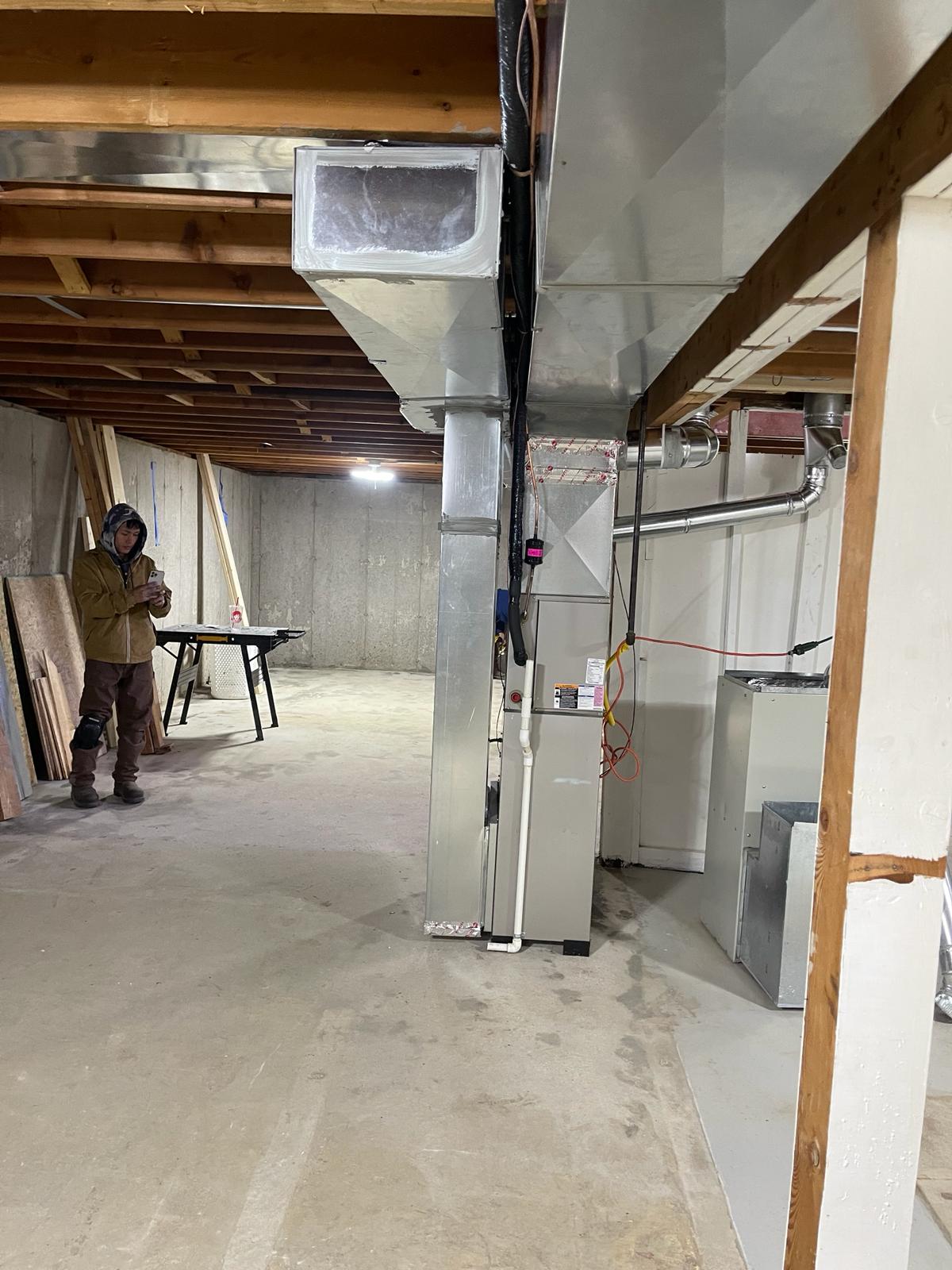
The Future of Smart HVAC Technology
As technology continues to evolve, the HVAC industry is undergoing a significant transformation. Smart HVAC systems are becoming increasingly popular among homeowners and businesses alike. This blog post will explore the latest trends in smart HVAC technology, how it integrates with home automation, and what the future holds for this innovative industry.
What is Smart HVAC Technology?
Smart HVAC technology refers to advanced heating, ventilation, and air conditioning systems that can be controlled remotely and optimized for energy efficiency. These systems utilize internet connectivity and smart sensors to monitor and adjust temperature and airflow in real-time.
Key Features of Smart HVAC Systems
- Remote temperature control via smartphones or tablets
- Energy usage tracking and reporting
- Integration with home automation systems
- Programmable settings for personalized comfort
- Real-time diagnostics and alerts for maintenance
Current Trends in Smart HVAC Technology
As the demand for smart home solutions increases, several key trends are emerging in the HVAC industry.
1. IoT Integration
The Internet of Things (IoT) is a driving force behind the advancement of smart HVAC technology. IoT-enabled systems allow for seamless connectivity between devices, enabling homeowners to monitor and control their HVAC systems from anywhere.
2. Energy Efficiency
With increasing energy costs and environmental concerns, energy efficiency is a top priority. Smart HVAC systems are designed to optimize energy use, reducing both costs and carbon footprints.
3. Predictive Maintenance
Smart HVAC systems can provide real-time diagnostics that help predict maintenance needs before they become critical. This proactive approach can save homeowners from costly repairs and extend the lifespan of the equipment.
The Role of Home Automation
Home automation is closely linked with smart HVAC technology. By integrating HVAC systems with home automation platforms, homeowners can achieve enhanced comfort and convenience.
Benefits of HVAC and Home Automation Integration
- Centralized control of all home systems
- Enhanced energy management
- Increased security with automated climate control
- Improved indoor air quality through smart ventilation
- Personalized settings based on lifestyle patterns
The Future of Smart HVAC: What Lies Ahead?
The future of smart HVAC technology looks promising, with several exciting developments on the horizon.
1. Artificial Intelligence (AI) Integration
AI is poised to revolutionize smart HVAC systems by allowing them to learn from user behavior and optimize performance autonomously.
2. Enhanced User Interfaces
Future smart HVAC systems will offer more intuitive user interfaces, making it easier for homeowners to manage their climate control settings.
3. Sustainability Innovations
The push for sustainability will lead to the development of HVAC systems that utilize renewable energy sources and have a smaller environmental impact.
Conclusion
Smart HVAC technology is reshaping the way we think about heating and cooling our homes. With ongoing advancements in IoT, AI, and energy efficiency, the future looks bright for homeowners seeking comfort, control, and sustainability in their HVAC systems. As you consider upgrading to a smart HVAC system, think about the benefits of home automation and how it can improve your overall quality of life.