How to Improve Your Home's Energy Efficiency
Improving your home's energy efficiency is not only beneficial for the environment but also essential for reducing utility costs. In this blog post, we'll explore practical strategies to enhance your home's energy performance and maximize savings.
Understanding Energy Efficiency
Energy efficiency refers to using less energy to perform the same task or activity. By making your home more energy-efficient, you can lower your energy consumption without sacrificing comfort.
Benefits of Energy Efficiency
- Reduced utility bills
- Increased home comfort
- Lower carbon footprint
- Enhanced property value
- Improved indoor air quality
Key Areas to Improve Energy Efficiency
1. Insulation and Air Sealing
Proper insulation and sealing of your home can significantly reduce energy loss. Focus on areas like attics, walls, floors, and around windows and doors.
2. Energy-Efficient Windows
Installing energy-efficient windows can help keep your home warm in winter and cool in summer, reducing the need for heating and cooling systems.
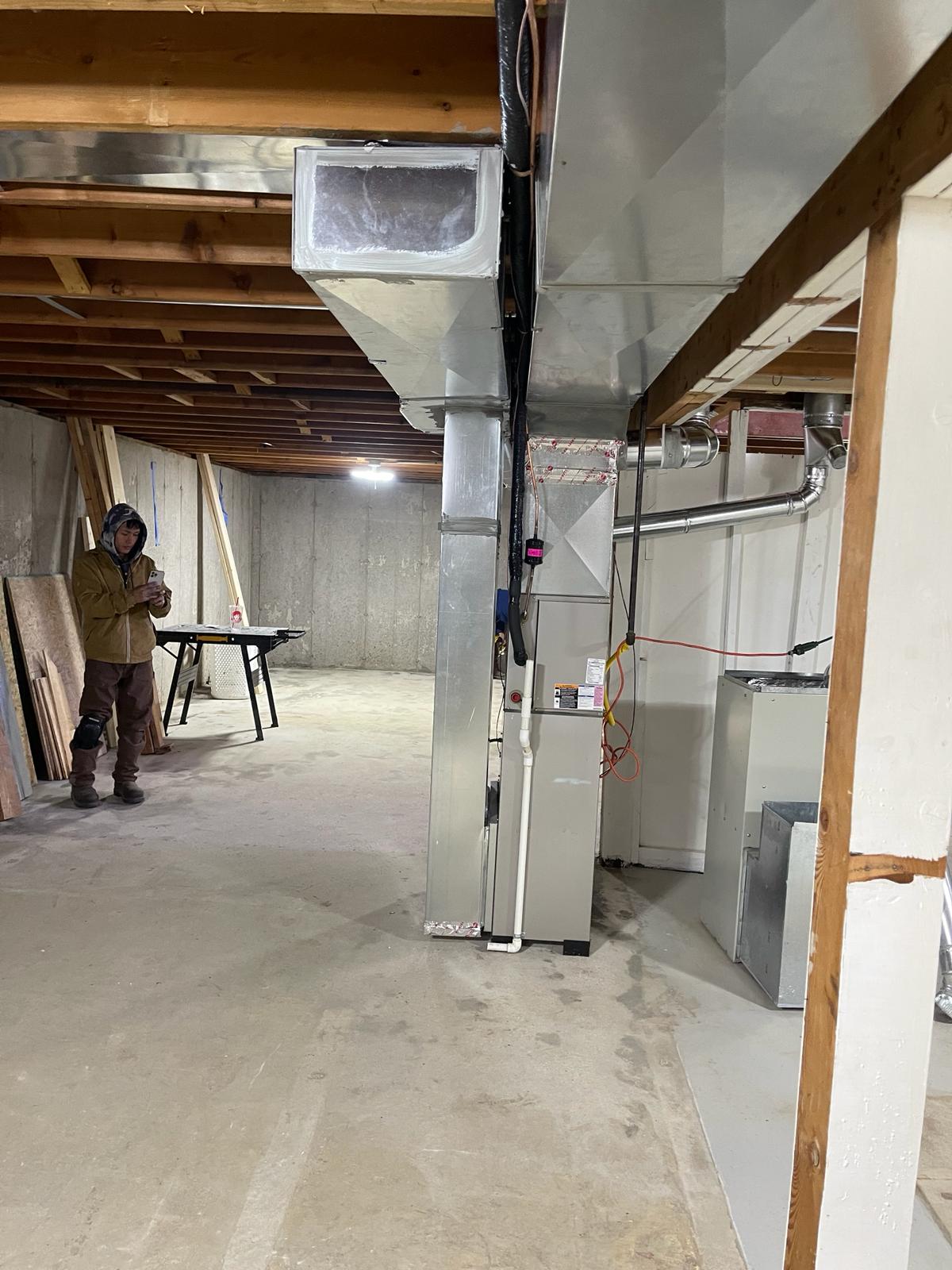
3. Upgrade Your Heating and Cooling Systems
Consider upgrading to high-efficiency heating and cooling units. Look for ENERGY STAR® rated appliances that consume less energy.
4. Use Smart Thermostats
Smart thermostats allow you to program heating and cooling schedules, helping to maintain comfortable temperatures while optimizing energy use.
5. Energy-Efficient Lighting
Switching to LED bulbs can save a significant amount of energy compared to traditional incandescent bulbs. They last longer and use less power.
Lifestyle Changes for Better Energy Efficiency
1. Unplug Devices
Many electronics consume energy even when turned off. Unplug devices or use power strips to easily disconnect multiple devices.
2. Optimize Your Laundry
Wash clothes in cold water and air-dry when possible. This significantly reduces energy consumption related to laundry.
3. Limit Heating and Cooling
Adjust your thermostat by a few degrees; lowering it in winter and raising it in summer can lead to noticeable savings.
Investing in Energy Efficiency
Investing in energy-efficient upgrades may require upfront costs, but the long-term savings and benefits to your home’s comfort make it worthwhile.
Tax Credits and Incentives
Research local and federal tax credits or incentives for energy-efficient home improvements. These can help offset initial costs.
Conclusion
Improving your home's energy efficiency is a smart investment that can lead to significant utility savings, enhanced comfort, and a reduced environmental impact. Start with small changes and gradually invest in bigger upgrades for a more energy-efficient home.